Fall Prevention for Older Adults: 6 Steps to Stay Safe and Independent at Home
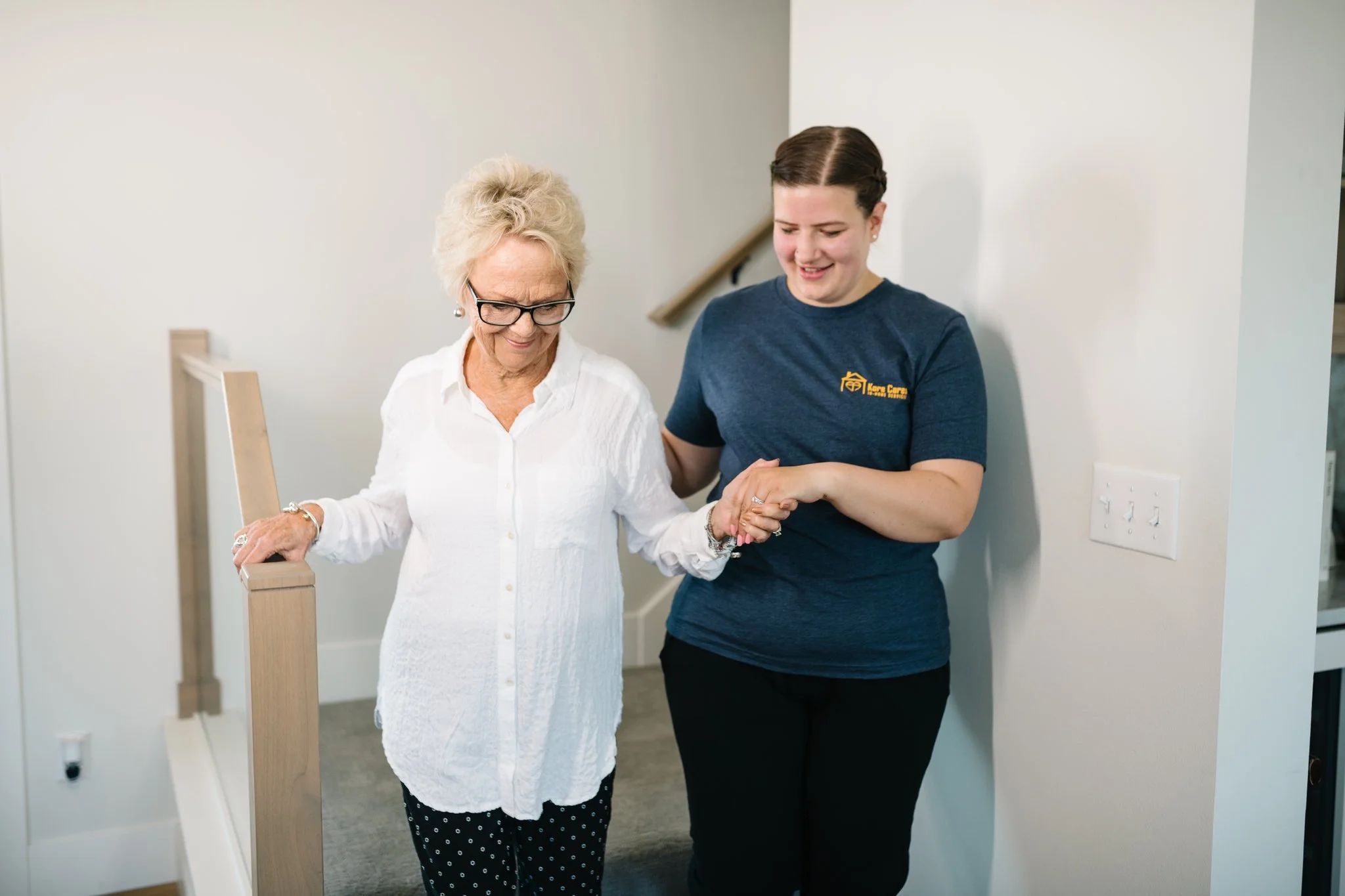
A fall can change life in an instant. For an older adult, what seems like a simple slip or loss of balance can result in an emergency room visit, hospitalization, loss of independence, or the need for additional care.
The good news? Falls are not an inevitable part of aging, and many falls can be prevented.
This September, Kore Cares is joining the South Dakota Fall Prevention Coalition in recognizing Falls Prevention Awareness Week, September 21–25, 2026. This year’s theme, “From Awareness to Action,” encourages older adults, families, caregivers, and healthcare professionals to take practical steps to reduce fall risk.
Why Fall Prevention Matters in South Dakota
Falls have a significant impact on older South Dakotans. According to the South Dakota Department of Health:
· 1,709 South Dakotans age 65 and older died from fall-related injuries between 2015 and 2024.
· 180 fall-related deaths occurred in 2024 alone.
· Fall-related deaths increased 9% from 2023 to 2024, rising from 165 to 180 deaths.
· 1,649 hospitalizations related to falls occurred in 2024.
· 8,012 emergency department visits related to falls occurred in 2024.
· The average fall-related hospitalization cost was $48,695 in 2024.
· Unintentional falls were among the top 10 leading causes of death for South Dakotans age 65 and older in 2024.
Source: South Dakota Department of Health – Unintentional Falls Data
Nationally, the Centers for Disease Control and Prevention reports that more than 14 million—or about 1 in 4 adults age 65 and older—report falling each year. Falls are the leading cause of injury among adults age 65 and older.
Source: CDC – Older Adult Falls Data
Behind every statistic is a person and a family. A fall can affect much more than physical health. It may impact someone’s confidence, mobility, ability to live independently, and overall quality of life. That is why preventing the first fall—or the next one—is so important.
Six Steps That Can Help Reduce the Risk of Falls
The South Dakota Fall Prevention Coalition recommends six practical steps older adults and their families can take.
1. Find a Balance or Exercise Program
Staying active can help improve strength, balance, flexibility, and confidence. Exercise programs designed specifically for older adults can be particularly helpful. The South Dakota Fall Prevention Coalition connects older adults with evidence-based fall prevention programs throughout the state, including programs focused on balance and strength. Before beginning a new exercise program, talk with your healthcare provider about activities that are appropriate for you.
Find fall prevention classes and resources in South Dakota
2. Talk to Your Doctor About Falls
Do not wait for a serious fall to talk about fall risk. Tell your healthcare provider if you have fallen, nearly fallen, feel unsteady when walking, or have become worried about falling. Your healthcare provider can help identify factors that may be contributing to your risk and recommend appropriate next steps.
3. Review Your Medications
Some prescription and over-the-counter medications can cause side effects such as dizziness, sleepiness, or changes in blood pressure that may contribute to falls. Ask your doctor or pharmacist to periodically review all medications and supplements you take. Never stop or change a prescribed medication without first talking with your healthcare provider.
4. Have Your Vision and Hearing Checked
Changes in vision or hearing can make it more difficult to recognize hazards and safely navigate your surroundings. Regular vision and hearing checks can identify changes that may affect your safety and mobility.
5. Make Your Home Safer
For an older adult who wants to remain independent at home, the home environment deserves special attention.
· Loose rugs, cords, or clutter in walkways
· Poor lighting, especially between the bedroom and bathroom
· Slippery bathroom surfaces
· Stairs without secure handrails
· Frequently used items stored too high or too low
· Difficulty safely getting in and out of the shower, bed, or favorite chair
· Outdoor steps and walkways that may become slippery or uneven
Small changes can make a meaningful difference. It is also important to pay attention to changes in the person, not just the home. If Mom suddenly needs to hold onto furniture while walking, Dad has stopped showering because he is afraid of falling, or a loved one is struggling with tasks they previously handled safely, it may be time to talk about additional support.
6. Talk to Your Family
Conversations about falling can be uncomfortable, especially when someone is worried that admitting difficulty will mean losing their independence. Try approaching the conversation from a different perspective: What can we do now to help you continue living safely and independently? Planning ahead allows families to explore options before an emergency forces them to make decisions quickly.
How Can In-Home Care Help an Older Adult Stay Safer at Home?
In-home care can be one part of a broader plan to support safety and independence. Depending on an individual’s needs, a caregiver may assist with personal care, bathing, dressing, meal preparation, light housekeeping, laundry, errands, companionship, and other activities that have become difficult to complete safely.
Caregivers also spend time with clients in their everyday environment. That regular interaction can help families recognize changes in mobility, routines, or daily functioning that may deserve additional attention.
Home care does not replace medical care, physical therapy, occupational therapy, or a healthcare provider’s fall-risk assessment. Instead, it can complement those services by helping an older adult carry out daily activities more safely and maintain independence at home.
How Can a Home Care Nurse Help With Medication Safety and Prevent Falls?
Managing multiple medications can become complicated, especially when prescriptions change or several healthcare providers are involved. Some medications may also cause side effects such as dizziness, drowsiness, weakness, or changes in blood pressure that can increase the risk of a fall.
Kore Cares nurses can provide medication management support in the home, including:
Setting up medications as ordered to make them easier to take correctly
Reviewing medications and helping identify potential concerns or side effects
Monitoring for changes such as dizziness, weakness, confusion, or other symptoms that may need follow-up
Communicating concerns about medications or possible side effects to the individual's physician or other healthcare provider
Helping individuals and families understand medication instructions and changes to the medication plan
Coordinating with healthcare providers when clarification or updated orders are needed
A nurse does not independently discontinue or change prescribed medications. Instead, the nurse can serve as another set of trained eyes in the home—helping identify concerns and communicating with the appropriate healthcare provider.
For an older adult who takes several medications or has difficulty managing them independently, in-home nursing support may be one way to improve medication safety while supporting the goal of remaining safely and independently at home.
From Awareness to Action
You do not have to completely remodel a home or overhaul someone’s life to begin addressing fall risk. Start with one step.
Schedule an eye exam. Ask for a medication review. Remove a loose rug. Add better lighting. Find a balance class. Tell your doctor about a recent near-fall. Talk with your parents about what would make them feel safer at home.
Small actions today may help preserve something incredibly important tomorrow: the ability to remain safe, confident, and independent in the place you call home.
Kore Cares & the South Dakota Fall Prevention Coalition
Kore Cares is proud to be an affiliated organization of the South Dakota Fall Prevention Coalition, a statewide collaboration of healthcare and community organizations working to reduce falls and fall-related injuries among older South Dakotans.
Kore Cares CEO and Founder Gabrielle Hoing serves on the coalition, working alongside healthcare and community partners to advance fall prevention awareness and support healthy, independent aging across South Dakota.
Explore the South Dakota Fall Prevention Coalition’s fall prevention tips, resources, and classes
Frequently Asked Questions About Fall Prevention for Older Adults
What causes falls in older adults?
Falls usually do not have just one cause. Risk can increase because of changes in balance or strength, vision problems, certain medications, dizziness, chronic health conditions, unsafe footwear, or hazards in the home such as loose rugs, clutter, poor lighting, and slippery surfaces. A healthcare provider can help identify individual risk factors.
How can I help prevent my elderly parent from falling at home?
Start by asking whether they have fallen, nearly fallen, or feel unsteady. Encourage a medication review and regular vision and hearing checks, look for hazards in the home, and support activities that improve strength and balance when appropriate. Pay attention to changes in daily routines, such as avoiding the shower, holding onto furniture, or struggling to get out of a chair.
What should you do after an older adult falls?
If the person may be seriously injured, hit their head, lost consciousness, has severe pain, cannot get up, or has other concerning symptoms, seek emergency medical care. Even when there is no obvious injury, tell the person’s healthcare provider about the fall. A fall or near-fall can be an important sign that balance, medications, vision, health conditions, or the home environment should be reviewed.
Can in-home care help someone who is at risk of falling?
In-home care can be one part of a fall-risk reduction plan. A caregiver can assist with activities that may have become difficult or unsafe, such as bathing, dressing, meal preparation, housekeeping, laundry, and errands. Regular caregiver visits can also help families notice changes in mobility or daily functioning. Home care does not replace a medical fall-risk assessment, physical therapy, occupational therapy, or other clinical care.
Are falls a normal part of aging?
No. Falls become more common with age, but they are not an inevitable or normal part of aging. Many fall risks can be identified and addressed. The CDC recommends steps such as discussing falls with a healthcare provider, reviewing medications, staying active, and addressing safety hazards.
Additional resource: CDC STEADI Patient & Caregiver Fall Prevention Resources
Worried About a Loved One’s Safety at Home?
Sometimes the first sign that additional help is needed is not a major medical event. It may be a near-fall, difficulty getting in and out of the shower, meals being skipped, household tasks piling up, or a family member becoming increasingly worried about leaving Mom or Dad home alone.
Kore Cares helps individuals throughout South Dakota remain safe and independent in the place they call home.
If you are wondering whether a little extra support could help someone you love continue living safely at home, contact Kore Cares. We are happy to listen, learn about your situation, and help you explore your options.
Learn more about Kore Cares in-home care services
Sources & Helpful Resources
· South Dakota Department of Health – Unintentional Falls Data
· South Dakota Fall Prevention Coalition
· CDC – Older Adult Falls Data