
Should My Parent Be Driving if I’m Worried About Their Memory?
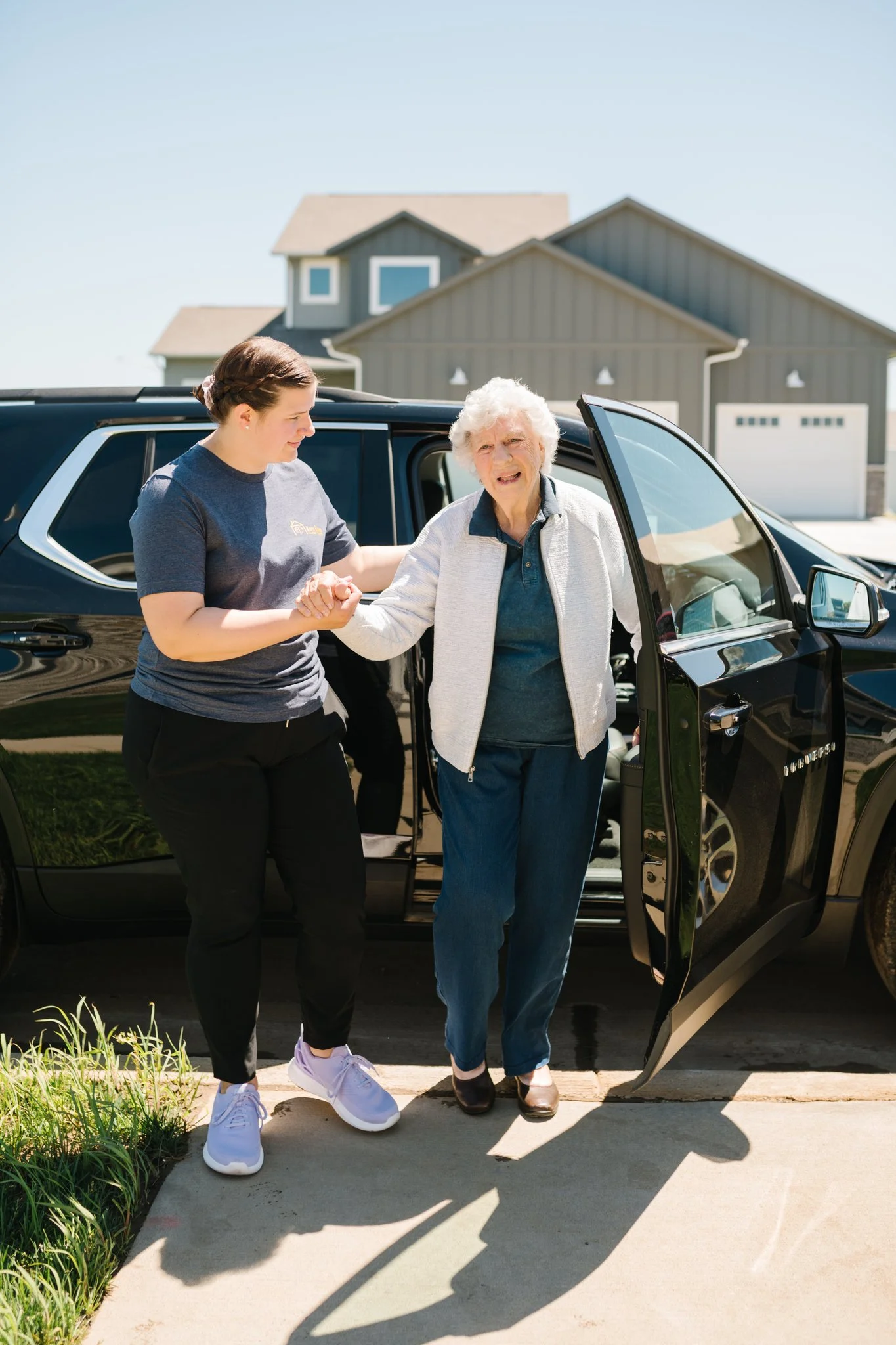
Few conversations are harder than questioning a parent’s independence—especially when it comes to driving. For many older adults, driving represents freedom, dignity, and control. But if you’ve started noticing memory changes in your parent, it’s natural—and responsible—to ask a difficult question:
Is it still safe for my parent to be driving?
If this worry has crossed your mind, you’re not alone. And you’re not overreacting.
Why Memory Matters Behind the Wheel
Driving safely relies on much more than eyesight and physical ability. It requires:
Remembering traffic rules and routes
Making quick decisions in unexpected situations
Judging distance, speed, and timing
Staying focused without becoming confused or overwhelmed
When memory or cognitive changes begin—even subtly—these skills can be affected.
Some common warning signs include:
Getting lost on familiar routes
Missing turns or exits they’ve driven for years
Forgetting where the car was parked
Increased dents, scrapes, or unexplained damage
Confusion at intersections or traffic signals
Slower reaction times or hesitation
One sign alone doesn’t automatically mean driving must stop. But patterns matter—and so does your instinct as someone who knows them well.
The Emotional Weight of This Concern
It’s normal to feel conflicted. You may worry about:
Hurting your parent’s feelings
Damaging your relationship
Taking away their independence
Being seen as “overprotective”
At the same time, you may fear the consequences of saying nothing—an accident, an injury, or worse.
Here’s the truth many caregivers struggle with:
Protecting someone you love sometimes means having uncomfortable conversations.
How to Start the Conversation (Without a Power Struggle)
Approach the topic with empathy, not accusation.
Instead of:
“You shouldn’t be driving anymore.”
Try:
“I’ve noticed a few things that made me worried about your safety, and I’d really like us to talk about it together.”
Helpful tips:
Choose a calm, private moment—not right after a driving incident
Focus on safety, not mistakes
Use “I” statements rather than “you” statements
Acknowledge how important driving is to them
You don’t need to have all the answers in one conversation. Often, this is a process, not a single decision.
Get a Professional Perspective
If memory concerns are present, a medical evaluation can be an important next step. A primary care provider, neurologist, or geriatric specialist can:
Assess cognitive changes
Offer guidance on driving safety
Recommend further testing if needed
In some cases, a driving evaluation by an occupational therapist can provide an objective, third-party assessment—reducing tension within the family.
Planning for the “What If”
Even if your parent is still driving today, it helps to plan ahead.
Ask:
What alternatives exist if driving becomes unsafe?
Who can help with transportation?
Are ride services, community shuttles, or family schedules an option?
Framing this as planning rather than punishment can make a big difference.
You Don’t Have to Do This Alone
Worrying about a parent’s memory and driving safety can feel overwhelming—especially when you’re balancing work, family, and your own emotions.
At Kore Cares, we support families navigating complex aging decisions with compassion and clarity. Whether you need guidance, resources, or help coordinating care, you don’t have to face these moments by yourself.
Trust Your Concern
If you’re asking this question, it’s for a reason.
Caring enough to notice changes—and to act thoughtfully—is not taking something away. It’s an act of love.
If driving is no longer the safest option, Kore Cares can help. We offer reliable transportation and errand-running assistance through trusted, carefully vetted caregivers—so your loved one can stay active and independent without being behind the wheel.
To set up a free consultation, please call us today at 1-888-546-0704.
To learn more about the services Kore Cares offers and how we can assist you, please visit our services page.