
What Home Care Really Looks Like: A Story of Support, Dignity, and Community
When people hear the phrase “home care,” they often imagine simple daily assistance — help with meals, reminders for medications, or rides to appointments. But for many individuals and families, home care means something far deeper: connection, independence, and the ability to live life with dignity in the comfort of their own home.
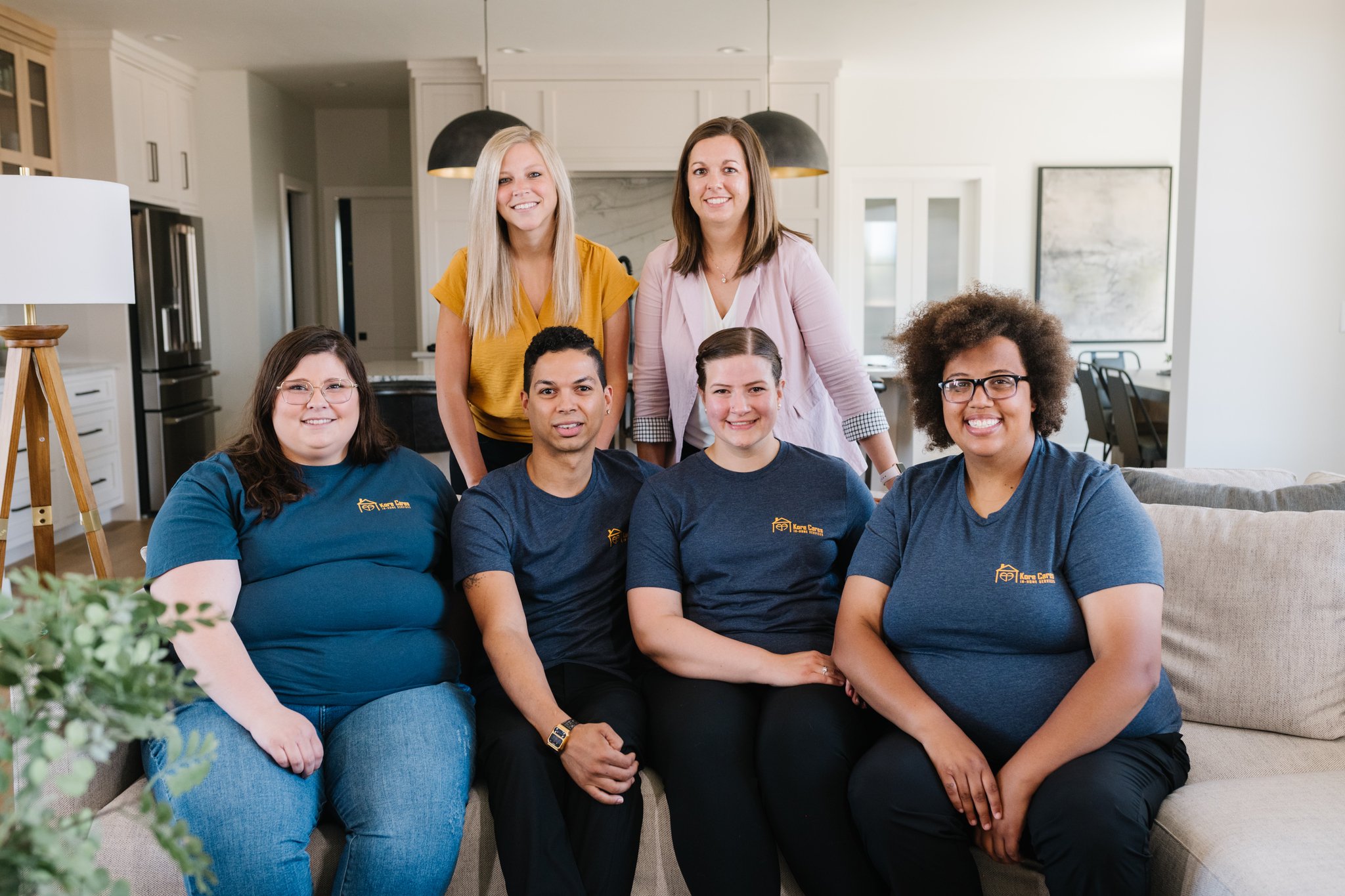
In this Spotlight Sioux Falls conversation, a client, a dedicated caregiver, and the Yankton Agency Manager, Carly, from Kore Cares share real experiences that reveal what compassionate in-home care truly looks like.
Their stories highlight the human side of caregiving — the relationships, trust, and support that turn everyday tasks into meaningful moments.
The Courage to Advocate for Yourself
One of the most important messages shared in the conversation is the importance of self-advocacy.
Many people hesitate to ask for help. Whether it’s pride, uncertainty, or fear of losing independence, reaching out for support can feel overwhelming. But the truth is that asking for help is not a sign of weakness — it’s a step toward living more fully.
Home care services exist to empower individuals, not take control away from them. By speaking up about their needs, clients are able to shape the care they receive and remain active participants in their own lives.
When individuals advocate for themselves, they gain access to resources that help them stay safe, comfortable, and confident at home.
Why Asking for Help Is a Strength
For many families, the turning point comes when they realize they don’t have to manage everything alone.
Professional caregivers provide support that complements family care — helping with tasks that may become difficult over time, such as:
Personal care and hygiene
Meal preparation and nutrition support
Medication reminders
Light housekeeping
Companionship and emotional support
But beyond these tasks, caregivers provide peace of mind. Families know their loved ones are supported by trained professionals who genuinely care about their well-being.
When people allow others to help, they often discover that their independence actually grows, not shrinks.
What In-Home Care Really Looks Like Day to Day
One of the biggest misconceptions about home care is that it is purely clinical or task-oriented.
In reality, the day-to-day experience of in-home care often includes simple but meaningful moments such as:
Sharing conversations over coffee
Taking walks together
Helping organize the home
Supporting hobbies or daily routines
Providing encouragement and companionship
Care is woven into everyday life rather than disrupting it.
This is why many people prefer home care over long-term care settings — it allows them to remain in the place that feels safest and most familiar: their home.
The Relationship Between Client and Caregiver
Perhaps the most powerful theme in the conversation is the relationship that forms between clients and caregivers.
Trust develops over time through consistent support, respect, and genuine compassion. Our caregivers become more than helpers — they become trusted companions who celebrate milestones, listen during difficult moments, and provide stability when it’s needed most.
These relationships are built on three core values:
Empathy. Understanding each client’s personal story and needs.
Respect. Honoring independence and personal choice.
Consistency. Showing up with reliability and care every day.
When those elements come together, the result is a care experience that supports both physical well-being and emotional health.
A Team Culture Focused on Community Impact
At the heart of great home care is a strong team culture.
Kore Cares emphasize values that extend beyond basic service delivery.
Our approach focuses on:
Gratitude for the opportunity to serve others
Supporting caregivers so they can provide their best care
Strengthening communities through meaningful work
Treating every client like family
This culture helps create an environment where caregivers feel valued and motivated — which ultimately leads to better care experiences for clients.
When our caregivers feel supported, they are able to give their full attention and compassion to the clients they serve.
Living Fully at Home
Home is more than a place. It is where memories live, routines feel natural, and independence is preserved.
In-home care makes it possible for individuals to continue living the life they love, surrounded by familiarity, comfort, and personal history.
The stories shared in this Spotlight Sioux Falls feature remind us that care is not just about assistance — it’s about walking alongside people as they continue their journey with dignity and confidence.
When to Consider Home Care
Families often begin exploring home care when they notice changes such as:
Difficulty managing daily tasks
Increased risk of falls or safety concerns
Loneliness or isolation
Family caregivers feeling overwhelmed
Starting the conversation early can make the transition smoother and help ensure the right level of support is in place.
Care That Goes Beyond the Basics
The conversation featured in this video offers a powerful reminder: care is about people, not just services.
Through compassion, teamwork, and genuine connection, home care can transform lives — allowing individuals to maintain independence while receiving the support they deserve.
If you or someone you love is considering in-home care, remember that asking questions and seeking support is the first step toward building a plan that honors both dignity and quality of life.
To view our full video with Spotlight Sioux Falls, please visit our YouTube!
To set up a free consultation, please call 888-546-0704.
To view the services Kore Cares has to offer, please visit our service page.